-
Accessibility Tools
-
 Increase Text
-
 Decrease Text
-
 High Contrast
-
Low Contrast
-
 Links Underline
-
 Readable Font
-
 Reset
Reset
-
- info@admirecare.net.au
- +61 411 568 442
- +61 483 282 061
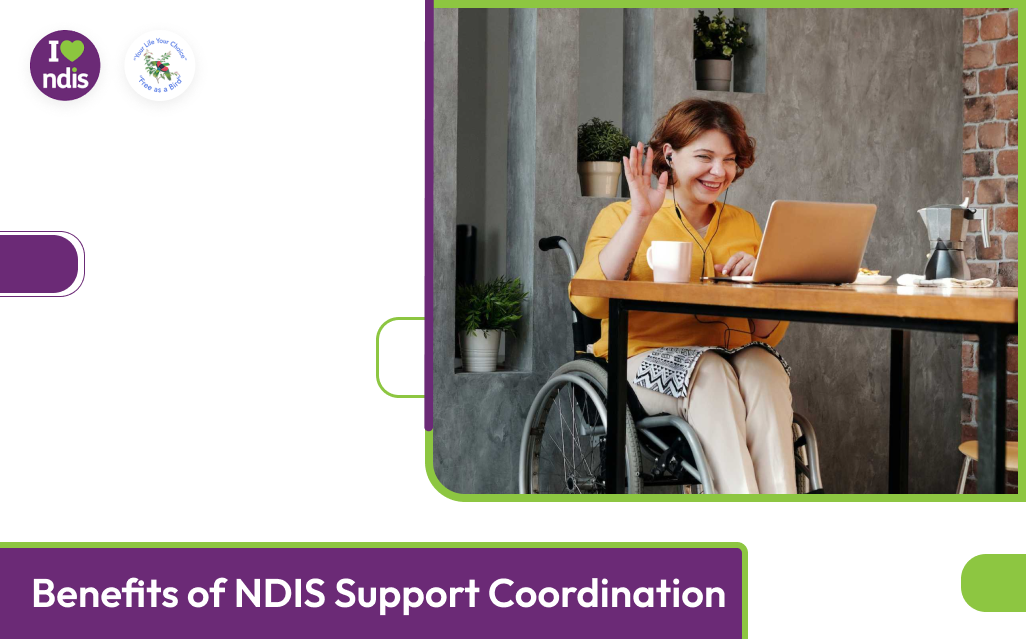
Benefits of Support Coordination – A Definitive Guide!
What Is Support Coordination and Why Does It Matter?
Understanding NDIS services can sometimes feel confusing for participants and families. Managing providers, budgets, appointments, and support goals often requires guidance and organisation. This is where Support Coordination becomes valuable.
The service helps participants understand their NDIS plans and connect with suitable support. It focuses on improving confidence, independence, and access to quality services. Participants receive guidance that helps them make informed decisions about their care and daily living needs.
The support is personalised according to individual goals and circumstances. Coordinators work closely with participants to identify challenges, organise services, and create practical support arrangements. This creates a smoother and more structured experience.
Another important role is helping participants build long-term independence. Coordinators encourage participants to develop confidence in managing services and understanding their plans. Over time, this improves decision-making and self-reliance.
Key overview:
- Helps participants understand NDIS plans
- Connects individuals with suitable services
- Improves confidence and independence
- Reduces stress and confusion
Major Advantages of Using Support Coordination
Professional guidance can make a significant difference in how participants use their NDIS plans. Many individuals feel more organised and confident when receiving proper support.
One major advantage is easier access to services. Participants receive help finding providers that match their goals, needs, and preferences. This saves time and reduces frustration.
Another benefit is improved plan understanding. Coordinators explain funding categories, available supports, and service options in a simple and practical way. This helps participants make better decisions.
The service also improves organisation. Coordinators help manage appointments, communication, and support arrangements more efficiently. Participants feel more secure knowing that professional guidance is available when needed.
Long-term support also improves confidence and independence. Participants gradually learn how to manage services and navigate systems more effectively.
Key benefits:
- Easier access to suitable supports
- Better understanding of funding and services
- Improved organisation and planning
- Increased confidence and independence
How Support Coordination Improves Daily Living
Daily life becomes easier when participants receive structured guidance and practical support. Professional coordination reduces confusion and helps participants focus on personal goals and routines.
Support Coordination assists participants with organising appointments, communicating with providers, and managing support services. This creates a smoother experience and reduces stress for families and carers.
Participants also receive guidance during changes in circumstances or support needs. Coordinators help adjust services and ensure participants continue receiving appropriate support.
The service improves consistency and stability in everyday life. Participants can focus more on personal development, social participation, and independence instead of administrative tasks.
Better organisation also reduces delays and misunderstandings between participants and providers. This improves overall service quality and participant satisfaction.
Daily support includes:
- Service and appointment organisation
- Communication with providers
- Guidance during plan changes
- Improved daily structure and stability
Building Confidence through Support Coordination
Confidence is important for participants who want greater independence and control over their support journey. Professional guidance helps individuals feel more comfortable making decisions.
Coordinators explain processes clearly and provide ongoing encouragement. Participants gradually become more confident in understanding plans and managing support independently.
Improved confidence also encourages participants to explore opportunities and become more involved in their communities.
Confidence benefits:
- Better understanding of services
- Increased decision-making confidence
- Improved independence and self-reliance
Better Access to Services with Support Coordination
Finding suitable services can sometimes be difficult for participants and families. Coordinators simplify this process by identifying providers that match individual goals and preferences.
Participants receive guidance when comparing service options and organising support arrangements. This improves access to quality care and reduces delays.
Professional coordination also improves communication between participants and providers.
Service access benefits:
- Faster connection with suitable providers
- Improved communication and planning
- Better access to quality support services
Problem Solving using Support Coordination
Participants may face challenges related to service access, communication, or changing support needs. Coordinators help identify practical solutions and reduce stress during difficult situations.
Professional guidance ensures problems are addressed quickly and effectively. This creates a more stable and supportive environment for participants and families.
Problem-solving support also improves long-term confidence and service reliability.
Problem-solving benefits:
- Faster issue resolution
- Reduced stress and confusion
- Improved service stability
Long-Term Growth with Support Coordination
Long-term guidance helps participants build stronger independence and life management skills. Coordinators encourage participants to become more confident in handling their own support systems.
Over time, participants develop better communication, planning, and decision-making abilities. These skills improve both personal growth and overall quality of life.
Long-term support also creates stability and stronger service relationships.
Growth benefits:
- Better planning and organisation skills
- Increased independence
- Improved long-term confidence and stability
Understanding the Role of Professional Support Providers
Reliable providers are important for delivering quality care and participant-focused services. Professional support teams help create smoother and more organised experiences.
Many participants work closely with NDIS Support Coordinators to manage services and connect with appropriate supports. These professionals guide participants through complex systems and improve service coordination.
Participants may also rely on experienced NDIS service providers for therapy, personal care, daily support, and community participation services.
Strong provider relationships improve communication, reliability, and overall participant satisfaction.
Provider support includes:
- Service coordination and planning
- Personalised participant guidance
- Improved communication and organisation
- Access to quality support services
Comparison Table: Coordinated Support vs Self-Managed Support
Understanding the difference between coordinated support and independent management helps participants choose suitable assistance levels.
| Feature | Coordinated Support | Self-Managed Support |
|---|---|---|
| Guidance Level | Professional support available | Self-managed |
| Service Organisation | Coordinated assistance | Participant organised |
| Provider Communication | Managed with support | Independent communication |
| Problem Solving | Ongoing professional help | Self-responsibility |
| Confidence Building | Guided development | Independent learning |
Why Professional Guidance Improves Participant Outcomes
Participants often achieve better outcomes when they receive professional guidance and structured support. Reliable coordination improves service access and reduces stress.
Professional guidance also improves understanding of funding, supports, and participant rights. This creates a more positive and informed experience.
Participants feel more secure when they have access to experienced professionals who can assist during challenges and changes.
Better support systems also improve long-term independence and confidence. Participants gradually develop stronger life management skills and decision-making abilities.
Key advantages:
- Improved service access
- Better understanding of supports
- Reduced stress and confusion
- Increased independence and confidence
Why Choose Admire Care
Choosing the right support provider can significantly improve participant experiences and long-term outcomes. Reliable support encourages confidence, stability, and personal growth.
Admire Care focuses on delivering participant-focused services designed around individual goals and support needs. Their team works closely with participants to create practical and effective support arrangements.
They provide personalised guidance that helps participants access suitable services and manage supports more confidently. This creates a smoother and less stressful experience.
Their flexible and supportive approach improves participant satisfaction and long-term independence.
Why choose them:
- Personalised support solutions
- Experienced and caring professionals
- Flexible participant-focused services
- Strong commitment to independence and growth
Common Challenges Participants Face
Participants may experience different challenges when managing supports independently. Understanding these issues helps create better support strategies.
Some individuals may struggle to understand funding categories and service systems. Others may find communication with providers difficult or stressful.
Managing appointments, paperwork, and support arrangements can also become overwhelming without guidance. This may lead to delays or confusion.
Professional support helps reduce these challenges and improves confidence in decision-making.
Common challenges:
- Difficulty understanding support systems
- Communication issues with providers
- Stress related to organisation and planning
- Limited confidence in decision-making
Expert Tips for Better Coordination and Planning
Good planning and communication are important for achieving better participant outcomes. Participants should regularly review goals and discuss changes with support teams.
Clear communication with providers improves organisation and reduces misunderstandings. Participants should also keep records of appointments and service agreements when possible.
Seeking professional guidance early can help avoid delays and confusion. This creates a smoother and more organised support experience.
Regular reviews also ensure supports continue matching participant goals and changing needs.
Expert tips:
- Review support goals regularly
- Communicate clearly with providers
- Stay organised with appointments and plans
- Seek professional guidance when needed
Long-Term Value of Support Coordination
Professional guidance improves confidence, independence, service access, and long-term participant success.
Impact of Organised Support on Daily Independence
Structured support systems create positive changes in everyday life. Participants often feel more confident, organised, and independent when receiving professional guidance.
Reliable coordination improves access to services and reduces stress related to planning and communication. Participants can focus more on personal goals and daily living.
Improved organisation also strengthens relationships between participants, families, and providers. This creates a more stable and supportive environment.
Participants who receive effective guidance often experience stronger confidence and better long-term outcomes.
Key impact:
- Better daily organisation
- Reduced stress and confusion
- Improved confidence and independence
- Stronger support experiences
Frequently Asked Questions
Q1. What does support coordination do?
It helps participants organise services and understand their NDIS plans.
Q2. Who can access support coordination?
Participants with approved funding for coordination services can access support.
Q3. Can coordinators help find providers?
Yes, coordinators assist participants in connecting with suitable providers.
Q4. Does support coordination improve independence?
Yes, it helps participants build confidence and manage support more effectively.
Conclusion
Understanding support services helps participants make informed decisions about their care and independence goals. Support Coordination improves organisation, confidence, and access to quality services through professional guidance and structured planning.
With trusted support from Admire Care, participants can manage their NDIS journey more confidently and achieve better long-term outcomes.
To learn more about NDIS Support Coordination service offerings, call (+61 483 282 061) or email (info@admirecare.net.au)