-
Accessibility Tools
-
 Increase Text
-
 Decrease Text
-
 High Contrast
-
Low Contrast
-
 Links Underline
-
 Readable Font
-
 Reset
Reset
-
- info@admirecare.net.au
- +61 411 568 442
- +61 483 282 061
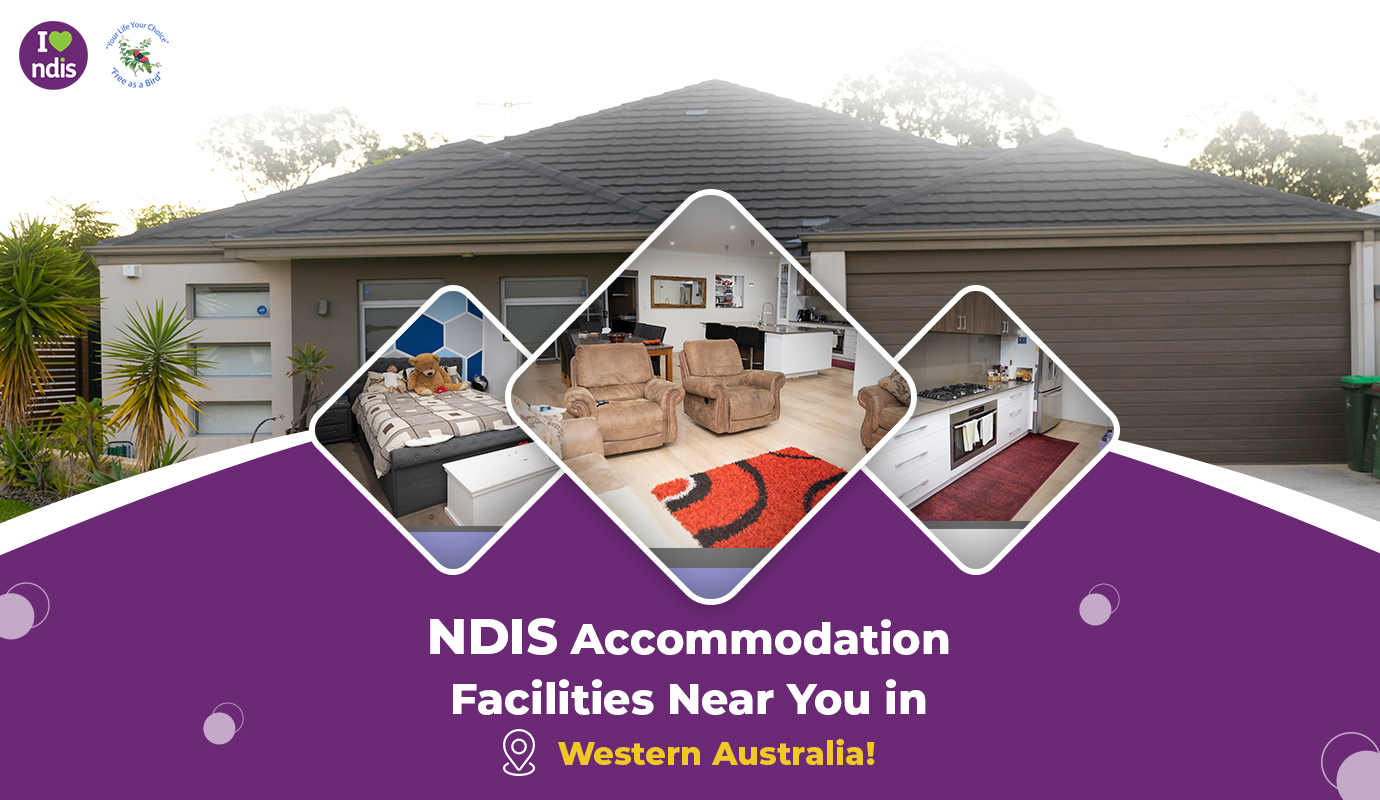
NDIS Accommodation Facilities in Western Australia: Complete 2026 Guide
Accommodation under the National Disability Insurance Scheme is a structured housing solution designed for participants whose disability significantly impacts their ability to live independently. In Western Australia, housing access is shaped by metropolitan demand in Perth, regional service gaps, rental market pressures, and infrastructure availability. Understanding how NDIS Accommodation Facilities operate within the WA system is critical for participants planning long-term stability.
Housing decisions in Western Australia require balancing funding approvals, tenancy obligations, accessibility standards, and workforce availability. Perth acts as the primary demand centre, while regional areas face different challenges related to supporting workforce supply and housing stock diversity. This guide explains what accommodation means under the NDIS in WA, who qualifies, how funding works, and where housing options are located across key suburbs.
Understanding NDIS Accommodation Facilities in Western Australia
NDIS Accommodation Facilities are structured housing arrangements funded when disability-related functional impairment makes standard rental housing unsafe or unsustainable without formal support. In Western Australia, these facilities operate within both metropolitan and suburban environments, influenced by housing supply and service provider capacity.
Accommodation funding does not replace normal rent. Participants contribute to everyday living expenses while the NDIS funds disability-specific supports or infrastructure. This distinction is particularly relevant in WA’s competitive rental market, especially in Perth where vacancy rates fluctuate.
Participants who may require accommodation support include individuals needing overnight supervision, those transitioning from hospital discharge, people with high physical support needs, or participants whose informal support can no longer continue safely. In WA, ageing carers in suburban areas often trigger accommodation reassessment discussions.
Accommodation decisions are long-term and evidence-driven. They require clinical reports, risk documentation, and sustainability planning aligned with WA housing realities.
Types of Housing Options Available Across Western Australia
Accommodation models in Western Australia vary according to support intensity and infrastructure design. NDIS Accommodation Facilities may be delivered through shared homes, independent units, or purpose-built dwellings depending on assessed need.
Shared housing involves multiple participants living together with rostered staff providing assistance. These homes may be located in suburban corridors near transport and community infrastructure. Independent arrangements prioritise autonomy and flexible support scheduling.
Capital-funded housing incorporates disability-ready design features such as widened doorways, reinforced bathrooms, assistive technology systems, and mobility access adjustments. These builds are more common in newly developed suburban areas rather than older inner-city properties.
Regional Western Australia faces different housing pressures. While Perth offers greater variety, regional towns may have limited specialist infrastructure. Participants outside metropolitan zones often need early planning due to smaller vacancy pools.
Housing sustainability depends on:
- Workforce availability
- Infrastructure compliance
- Participant compatibility in shared settings
- Long-term funding stability
How Funding Works for NDIS Accommodation Facilities in Western Australia
Funding in Western Australia follows national NDIS guidelines but is influenced by local housing economics. NDIS Accommodation Facilities funding is generally divided into Core Supports (daily assistance) and Capital Supports (specialised infrastructure where approved).
Participants are responsible for reasonable rent contributions and personal living costs. The NDIS funds disability-related supports only. In Perth’s rental market, this distinction matters because mainstream rental pricing can exceed disability pension thresholds.
Evidence required for funding approval typically includes occupational therapy assessments, functional capacity evaluations, behavioural risk documentation, and evidence that alternative support models are insufficient.
Supported Independent Living (SIL) funds the staffing and daily care required within a shared or individual home. It does not cover the physical building cost but ensures participants receive structured assistance.
Short-Term Accommodation provides temporary respite or crisis housing, allowing carers to rest or participants to stabilise during transitional phases.
Medium-Term Accommodation is approved when a participant is waiting for confirmed long-term housing to become available, often during construction or vacancy delays.
Funding decisions in WA must demonstrate value for money and safety. Planners assess whether the proposed housing arrangement aligns with participant goals and whether mainstream housing with lower supports has been trialled.
Eligibility and Assessment Process in Western Australia
Eligibility in Western Australia is determined through documented functional impairment and demonstrated need for structured housing support. Participants must show that independent rental living is not viable without ongoing disability-specific assistance.
Assessment involves:
- Reviewing daily living support intensity
- Evaluating safety risks
- Considering informal support sustainability
- Analysing long-term housing goals
Participants transitioning from family homes in Perth suburbs often require updated evidence reflecting changing carer capacity. Regional participants may need additional documentation if local infrastructure options are limited.
Planners also consider compatibility factors in shared housing, ensuring placement reduces risk of breakdown. Structured documentation accelerates decision timelines.
Access Pathways and Regional Availability in Western Australia
Accessing accommodation in WA requires coordination between planners, housing services, and support coordinators. Metropolitan Perth typically offers greater diversity of housing models, but waitlists are common.
Regional Western Australia may have fewer capital-funded builds but potentially lower competition for shared housing vacancies. However, workforce shortages can limit service viability outside Perth.
NDIS Shared Living describes structured arrangements where participants share housing with coordinated support staffing. Compatibility assessments are essential to prevent disruption.
An approved NDIS Provider must meet compliance and safeguarding standards under the NDIS Quality framework. Provider capacity in WA influences vacancy timing and housing turnover.
NDIS Support Coordination assists participants with gathering documentation, engaging with planners, and monitoring vacancy lists across WA. Coordinators often manage communication between participants and housing services.
Specialist Disability Accommodation (SDA) refers to purpose-built housing for individuals with extreme functional impairment. Approval in WA requires detailed functional evidence and capital funding endorsement.
Housing pressure in Perth reflects population growth and infrastructure expansion. Outer suburbs may offer new developments, while established areas have limited retrofitting capacity. Regional WA faces slower development cycles but may provide quieter residential environments.
Location-Based Accommodation Across Western Australia
Housing availability in Western Australia varies by suburb, infrastructure age, and development cycles. Accommodation planning must consider proximity to healthcare, transport, and community integration opportunities.
Perth Accommodation Options
Perth serves as the metropolitan headquarters for many disability housing operations. Established and rented houses or apartments form a significant portion of available stock. City-centre access provides proximity to hospitals, allied health providers, and public transport. However, rental competition can limit immediate vacancies.
Beeliar Accommodation Support
Beeliar offers suburban community-based environments where participants may access housing without relocating far from family networks. Residential growth in this corridor has increased the number of newer properties suitable for structured support models.
Munster Modern Disability Housing
Munster features more modern housing developments, some incorporating disability-ready infrastructure. Wider layouts and contemporary building standards can support installation of essential mobility equipment and safety features.
Cockburn Central Supported Housing
Cockburn Central provides a tranquil suburban setting with nearby shops and public transport access. Community integration benefits are strong in this corridor, particularly for participants seeking balanced independence and accessibility.
Coogee Accessible Living Options
Coogee offers safe residential environments near coastal areas, with accessible design features present in select properties. Structured housing in this suburb may suit participants requiring stable, community-oriented settings.
Future Outlook for NDIS Accommodation Facilities in Western Australia (2026)
The future of NDIS Accommodation Facilities in Western Australia will be shaped by supply constraints, regulatory refinement, and participant demand growth. Perth’s metropolitan expansion is expected to continue influencing housing pricing and vacancy timing.
Construction costs and workforce pressures may affect capital-funded developments. Policy shifts are likely to emphasise sustainability, governance compliance, and data transparency.
Emerging analysis of SDA Provider Trends 2026 suggests stronger focus on technology integration, improved design standards, and occupancy optimisation to reduce vacancy gaps.
Participants in WA should anticipate more evidence-driven reviews and planning scrutiny in 2026 as system reforms mature.
Comparison of Accommodation Models in Western Australia
| Accommodation Type | Who It Is For | Funding Category | Level of Support | WA Availability |
|---|---|---|---|---|
| Supported Independent Living | Participants requiring daily structured care | Core Supports | Moderate to High | Widely available in Perth; moderate in regional WA |
| Specialist Disability Accommodation | Individuals with extreme functional impairment | Capital + Core | Very High | Limited; primarily metropolitan builds |
| Short-Term Accommodation | Participants needing temporary respite | Core Supports | Short-term intensive | Available across metro and some regional areas |
| Medium-Term Accommodation | Participants awaiting permanent housing | Core Supports | Interim support | Dependent on vacancy cycles |
| NDIS Shared Living | Individuals suited to shared housing | Core Supports | Moderate | Common in suburban Perth |
Frequently Asked Questions
-
Q1. What are NDIS Accommodation Facilities in WA?
They are structured housing arrangements funded when disability-related needs prevent safe independent living without formal supports.
-
Q2. Who qualifies?
Participants must demonstrate functional impairment requiring structured daily assistance and provide clinical evidence supporting housing necessity.
-
Q3. How does funding work in WA?
The NDIS funds disability-specific supports or infrastructure. Participants contribute to regular living expenses such as rent and utilities.
-
Q4. Is housing available in Perth and regional WA?
Perth offers the largest housing pool but experiences higher demand. Regional areas may have fewer options but sometimes lower competition.
-
Q5. How long does approval take?
Timeframes vary based on evidence quality, housing type, and vacancy conditions. Capital-funded approvals generally require longer assessment periods.
Final Decision Guidance for Western Australia Participants
Accommodation planning in Western Australia requires structured preparation, evidence clarity, and realistic understanding of housing supply. Participants should begin discussions early, especially in Perth where demand pressures influence timing.
Understanding how NDIS Accommodation Facilities operate within WA’s housing ecosystem ensures informed decision-making. By aligning clinical evidence, participant goals, and market realities, individuals can pursue stable, sustainable housing pathways that support long-term independence.