-
Accessibility Tools
-
 Increase Text
-
 Decrease Text
-
 High Contrast
-
Low Contrast
-
 Links Underline
-
 Readable Font
-
 Reset
Reset
-
- info@admirecare.net.au
- +61 411 568 442
- +61 483 282 061
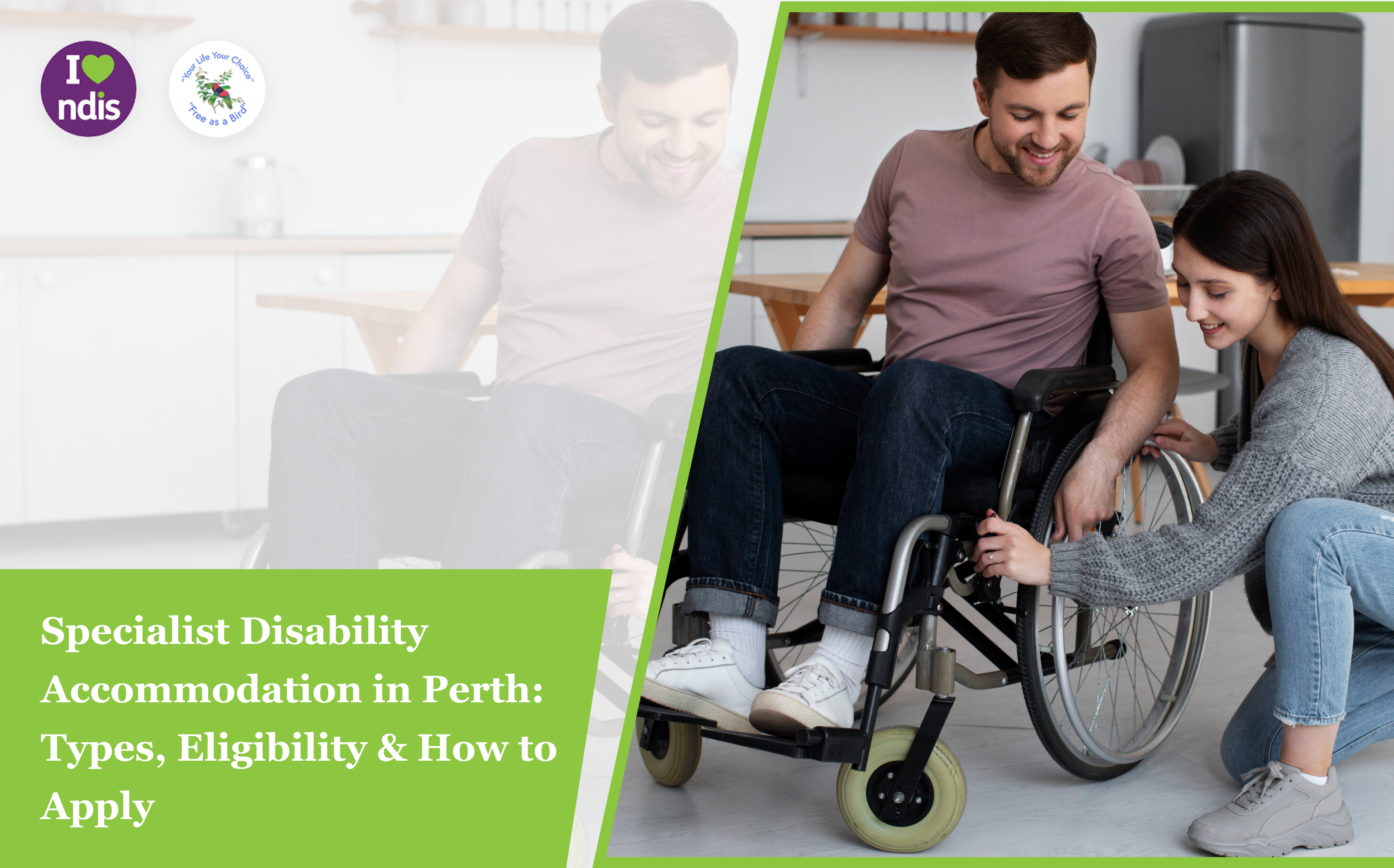
Specialist Disability Accommodation in Perth: Types, Eligibility & How to Apply
Finding the right home is essential for living safely, comfortably, and independently. For people with extreme functional impairment or very high support needs, Specialist Disability Accommodation offers purpose-built housing that improves accessibility, independence, and quality of life. Through the National Disability Insurance Scheme (NDIS), eligible participants can access accommodation designed to meet their unique needs while receiving appropriate support services.
If you're exploring housing options in Western Australia, understanding the available accommodation models, eligibility requirements, and application process can help you make informed decisions. This guide explains everything from accommodation types to funding pathways so participants, families, and carers know what to expect.
Understanding Specialist Disability Accommodation
Many people are unsure about what is specialist disability accommodation is and how it differs from other disability housing options. Specialist accommodation refers to purpose-built homes funded under the NDIS for participants who require specially designed environments because standard housing cannot adequately support their disability-related needs.
Unlike everyday rental properties, these homes are built with accessibility, safety, assistive technology, and long-term independence in mind. They are designed according to strict NDIS standards and provide an environment where participants can live more comfortably while receiving appropriate supports.
Accommodation funding pays for the physical dwelling; not for daily personal care or support workers. Those services are funded separately through an individual's NDIS plan.
Modern SDA housing focuses on improving everyday living through wider doorways, wheelchair-friendly layouts, reinforced ceilings for hoists, emergency communication systems, smart home automation, and safer bathrooms.
For many participants, accessing appropriate accommodation means greater independence, increased social participation, and improved overall wellbeing.
Key Features of Specialist Disability Accommodation
Purpose-built disability accommodation generally includes:
- Fully accessible entrances
- Wide hallways and internal doorways
- Wheelchair turning spaces
- Accessible kitchens and bathrooms
- Smart home technology
- Ceiling hoists where required
- Emergency backup systems
- Safe outdoor access
- Durable disability-friendly construction
These features reduce barriers and help participants perform everyday activities with greater confidence.
Who Benefits Most from SDA Housing?
Not every NDIS participant requires specialist accommodation. These homes are intended for individuals whose disability significantly affects mobility, safety, or daily functioning.
Participants often benefit if they:
- Require high physical support
- Need assistive technology integrated into their home
- Have complex mobility needs
- Require accessible living environments
- Need housing that supports long-term independence
Choosing appropriate accommodation can greatly improve daily routines while reducing reliance on informal supports.
Types of Specialist Disability Accommodation Available
The NDIS recognises several accommodation options to support different functional requirements. Selecting the right housing depends on individual goals, disability needs, and recommended assessments.
Each home is built according to specific SDA design categories established by the NDIS Quality and Safeguards Commission.
SDA Design Categories Explained
The four recognised design standards include:
Improved Liveability
Suitable for participants with sensory, intellectual, or cognitive disabilities. Homes include improved wayfinding, enhanced visibility, and safer layouts.
Fully Accessible
Designed primarily for people using wheelchairs or mobility equipment. These homes provide step-free access, accessible bathrooms, wider corridors, and adaptable kitchens.
Robust
Developed for participants requiring homes with increased durability, impact-resistant materials, and enhanced safety features.
High Physical Support
The highest level of accessible accommodation. Homes may include ceiling hoists, automated doors, emergency power systems, environmental controls, and advanced assistive technology.
Understanding these categories helps participants choose housing that matches both current and future support needs.
Choosing the Right Accommodation Type
Selecting suitable accommodation depends on multiple factors, including:
- Functional capacity
- Mobility requirements
- Therapy recommendations
- Long-term goals
- Family circumstances
- Daily support requirements
- Location preferences
An occupational therapist or allied health professional often provides recommendations to determine which design category best meets a participant's needs.
Eligibility for Specialist Disability Accommodation
Receiving SDA funding involves a detailed assessment process. The NDIS only approves funding for participants whose disability support needs cannot reasonably be met through mainstream housing solutions.
Understanding the SDA eligibility criteria is one of the most important steps before beginning an application.
Generally, participants may qualify if they:
- Have an extreme functional impairment, or
- Require very high support needs on a daily basis.
The NDIS also evaluates whether specialist housing will provide better long-term outcomes compared with alternative support arrangements.
Evidence typically includes functional assessments, allied health reports, medical documentation, and housing recommendations demonstrating why specialist accommodation represents the most reasonable and necessary support.
Strong supporting documentation significantly improves the assessment process and helps planners understand the participant's housing requirements.
How to Access NDIS Accommodation Support
Once a participant meets the eligibility requirements, the next step is understanding how to apply for SDA. The process involves gathering supporting evidence, working with healthcare professionals, and submitting the required documentation to the NDIS. A well-prepared application can improve the likelihood of receiving funding that aligns with the participant's housing needs.
Applying for accommodation funding is not only about demonstrating disability-related needs but also showing why specialist housing is the most appropriate long-term solution. Professional assessments play an important role in helping NDIS planners understand the participant's daily challenges and future support requirements.
Preparing for the SDA Application Process
Before lodging an application, participants should collect comprehensive evidence, including:
- Functional Capacity Assessment
- Occupational Therapist report
- Medical specialist reports
- Current living situation
- Risk assessments
- Goals outlined in the NDIS plan
- Supporting documentation from allied health professionals
These reports explain how the participant's disability affects daily living and why specialist accommodation is considered a reasonable and necessary support.
Documents Required During Application
A strong application generally includes:
- Current NDIS Plan
- Allied health recommendations
- Medical evidence
- Housing history
- Functional assessment reports
- Daily support requirements
- Future housing goals
Providing accurate and detailed documentation helps streamline the SDA application process while reducing unnecessary delays.
Finding the Right Housing in Perth
For participants living in Western Australia, choosing the right accommodation provider is just as important as securing funding. There are several providers offering NDIS specialist disability accommodation designed to support independence, accessibility, and community participation.
When exploring specialist disability accommodation Perth, participants should compare available properties, support options, accessibility features, and proximity to healthcare services, public transport, and local amenities.
Living in an appropriate home allows participants to build routines, engage with their community, and work towards greater independence.
What to Look for in an Accommodation Provider
When evaluating accommodation providers, consider factors such as:
- Modern accessible housing
- Compliance with NDIS standards
- Flexible living arrangements
- Qualified support staff
- Safety features
- Community integration
- Ongoing maintenance
- Responsive communication
Working with a Registered NDIS provider Perth can provide additional confidence that accommodation and related supports meet quality and compliance standards.
Why Location Matters
Choosing housing close to essential services can significantly improve quality of life.
Consider homes located near:
- Hospitals
- Therapy clinics
- Shopping centres
- Public transport
- Parks and recreational facilities
- Community hubs
- Employment opportunities
- Family support networks
Selecting accommodation in the right location supports both independence and social inclusion.
Why Choose Admire Care for Disability Accommodation Support
Finding suitable accommodation can feel overwhelming without the right guidance. At Admire Care, we understand that every participant has unique goals, preferences, and support requirements. Our experienced team works closely with participants, families, and support coordinators to help identify housing options that promote independence and long-term wellbeing.
Whether you're exploring accommodation for the first time or planning your next move, we provide personalised guidance throughout the journey. From understanding funding options to connecting participants with suitable housing opportunities, our focus is always on delivering participant-centred support.
Our team also collaborates with healthcare professionals and support networks to ensure every participant receives guidance tailored to their individual circumstances.
Conclusion
Choosing the right accommodation can have a lasting impact on independence, safety, and quality of life. Understanding eligibility requirements, housing design standards, and the application journey enables participants and families to make informed decisions with confidence.
Whether you're beginning your housing journey or looking for a better living environment, early planning and professional guidance can make the process significantly smoother. By working with experienced professionals and trusted providers like Admire Care, participants can explore accommodation options that support both current and future needs while achieving greater independence within their community.
FAQs
Q1. Who can receive SDA funding?
Participants with extreme functional impairment or very high support needs may be eligible if specialist accommodation is considered reasonable and necessary under their NDIS plan.
Q2. Is SDA different from Supported Independent Living (SIL)?
Yes. SDA funds the physical home, while SIL funds the support workers who assist participants with everyday activities such as personal care and household tasks.
Q3. How long does an SDA application take?
Timeframes vary depending on the complexity of the application and the quality of supporting evidence submitted. Complete documentation can help reduce delays.
Q4. Can I choose where I want to live?
Yes. Once approved, participants can generally choose accommodation that best suits their goals, preferences, support needs, and available funding.
Q5. Can Admire Care help me understand my accommodation options?
Yes. Admire Care can assist participants and families by providing information about suitable accommodation pathways, explaining available support options, and helping them make informed housing decisions based on their individual needs.