-
Accessibility Tools
-
 Increase Text
-
 Decrease Text
-
 High Contrast
-
Low Contrast
-
 Links Underline
-
 Readable Font
-
 Reset
Reset
-
- info@admirecare.net.au
- +61 411 568 442
- +61 483 282 061
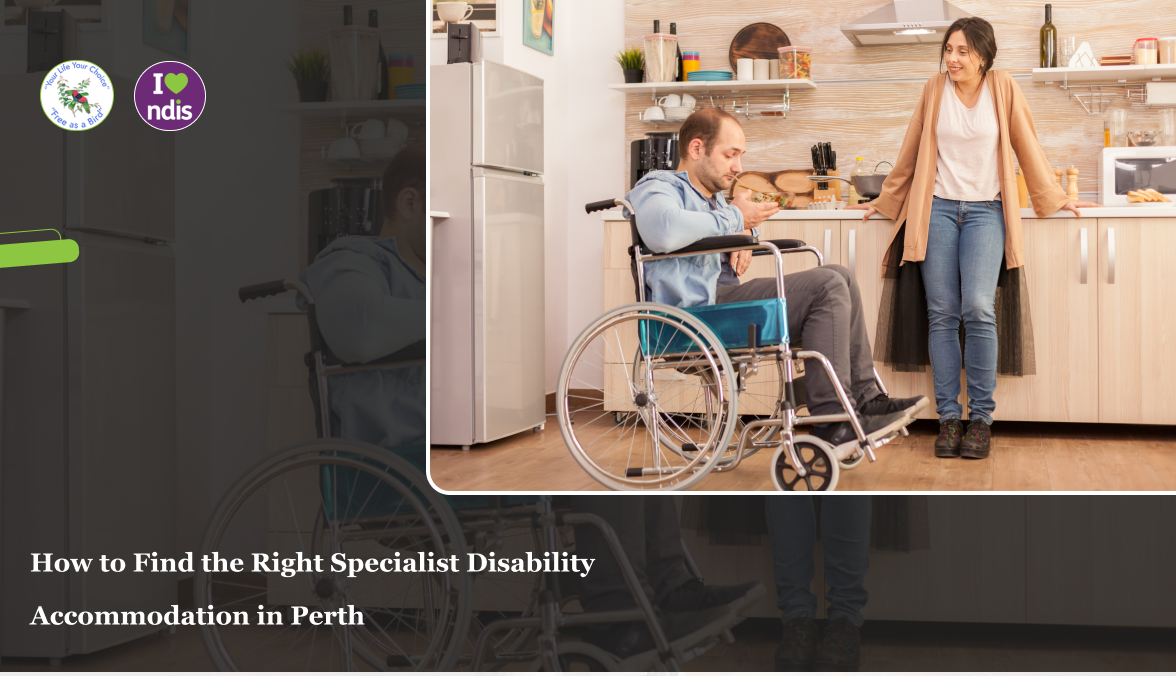
How to Find the Right Specialist Disability Accommodation in Perth
Introduction
Finding suitable housing is one of the most important decisions for NDIS participants with high support needs. Specialist Disability Accommodation (SDA) is designed to provide accessible, purpose-built housing that supports greater independence, safety, and quality of life.
As the demand for accessible housing continues to grow across Perth and Western Australia, many participants are exploring accommodation options that provide improved living outcomes and long-term stability. Understanding how funding works, what housing options are available, and how to navigate the application process can make the journey significantly easier.
Whether you are searching for housing for yourself or a family member, understanding SDA funding, eligibility requirements, and available accommodation options can help you make informed decisions. Throughout this guide, you'll also learn how Admire Care supports participants in finding suitable housing and navigating the process with confidence.
What Is Specialist Disability Accommodation?
Specialist Disability Accommodation is an NDIS-funded housing support for participants who have extreme functional impairment or very high support needs. These homes are specifically designed to improve accessibility, safety, and independence while enabling participants to manage daily activities more effectively.
Unlike standard rental properties, SDA homes include features such as step-free access, wider doorways, reinforced structures, assistive technology compatibility, and layouts designed around individual support requirements.
Understanding Specialist Disability Accommodation
In simple terms, this type of disability housing is built to meet the unique needs of people who require a higher level of accessibility and support. These homes help reduce barriers and create environments that promote independence and community participation.
Why Specialist Disability Accommodation Matters
Purpose-built housing can significantly improve daily living outcomes by:
- Providing safer living environments
- Supporting greater independence
- Reducing accessibility barriers
- Improving quality of life
- Encouraging community participation
The Role of the NDIS in SDA Housing
The NDIS funds eligible participants who require specialised housing solutions due to significant functional limitations. The goal is to help participants live in environments that better support their daily activities and long-term wellbeing.
Who Is Eligible for SDA Housing Through the NDIS?
One of the most common questions participants ask is whether they qualify for SDA funding. Eligibility is determined by the NDIS and is generally limited to participants whose housing needs cannot be adequately met through standard accommodation options.
The assessment process focuses on an individual's functional capacity, support requirements, and long-term housing goals.
SDA Eligibility Requirements
Participants typically need to demonstrate:
- Extreme functional impairment or very high support needs
- Evidence that specialised housing will improve outcomes
- Recommendations from healthcare professionals
- Long-term housing requirements aligned with NDIS goals
NDIS Assessment Criteria
The NDIS assesses whether SDA is considered a reasonable and necessary support. Participants must show that accessible housing is essential because traditional housing options would not adequately meet their needs.
Who Supports the Eligibility Process?
Several professionals may be involved, including:
- Occupational Therapists
- Support Coordinators
- Allied Health Professionals
- NDIS Planners
- Housing Specialists
These experts help prepare evidence and demonstrate why specialised accommodation is required.
How Do I Qualify for SDA Funding?
Qualifying for SDA funding requires more than simply requesting a specialist home. Participants need detailed evidence that demonstrates why the housing support is necessary and how it will improve independence, safety, and wellbeing.
A well-prepared application supported by professional assessments can significantly improve the likelihood of approval.
Assessment Process for SDA Funding
The process generally involves collaboration between participants, Support Coordinators, Occupational Therapists, and healthcare professionals who provide evidence supporting the housing request.
Documents Required for SDA Funding
Common supporting documents include:
- Functional Capacity Assessments
- Occupational Therapy Reports
- Medical Documentation
- Specialist Recommendations
- Housing Goals within the NDIS Plan
Tips for a Strong Application
To improve your chances of approval:
- Ensure reports are current and detailed
- Clearly explain housing challenges
- Demonstrate how specialised housing improves outcomes
- Work with experienced support professionals
What Are the SDA Design Categories?
Not all SDA homes are built the same way. The NDIS has established four design categories to ensure participants are matched with housing that supports their individual needs and lifestyle requirements.
Understanding these categories can help participants, families, and Support Coordinators make informed decisions when choosing accommodation.
SDA Design Categories Comparison
| SDA Design Category | Best Suited For | Key Features |
|---|---|---|
| Improved Liveability | Sensory, intellectual, or cognitive impairments | Better layouts, improved wayfinding, enhanced accessibility |
| Fully Accessible | Significant physical disabilities | Step-free access, wheelchair-friendly design |
| Robust | Additional resilience and safety requirements | Durable materials and reinforced fixtures |
| High Physical Support | Complex physical support needs | Ceiling hoists, assistive technology, backup power |
Improved Liveability
Designed for participants who benefit from improved navigation and accessibility features within the home.
Fully Accessible
Suitable for individuals who require wheelchair accessibility and barrier-free movement throughout the property.
Robust
Created for participants who need additional resilience and security features within their living environment.
High Physical Support
Provides advanced infrastructure for participants with complex support requirements and high levels of physical assistance.
What Is the Difference Between SDA and SIL?
Many NDIS participants confuse SDA and Supported Independent Living (SIL) because both supports can appear within the same plan. However, they serve different purposes and understanding the distinction is important when planning long-term housing arrangements.
Understanding SDA vs SIL
| Feature | SDA | SIL |
|---|---|---|
| Purpose | Covers specialist housing | Covers daily support services |
| Funding Type | Housing support | Personal support funding |
| Includes Property Costs | Yes | No |
| Includes Personal Care | No | Yes |
| Can Be Used Together | Yes | Yes |
Can You Have SDA and SIL Together?
Yes. Many participants receive both supports. Housing funding covers the specialist property, while SIL funds support workers who assist with daily living tasks.
Why Understanding SDA vs SIL Matters
Knowing the difference helps participants plan effectively and ensure they receive the right combination of housing and support services.
How Do I Apply for SDA Funding?
Applying for SDA funding can seem complicated, but breaking the process into manageable steps makes it easier to understand and complete.
Step 1: Discuss Your Housing Goals
Speak with your Support Coordinator, therapist, or NDIS planner about your current housing situation and future goals.
Step 2: Gather Supporting Evidence
Collect assessments and reports that clearly demonstrate why accessible housing is required.
Step 3: Submit an NDIS Review or Planning Request
Your evidence will be reviewed as part of the NDIS planning or review process.
Step 4: Await Assessment and Approval
The NDIS will assess your application and determine whether the funding request meets eligibility requirements.
Does SDA Cover Rent and Bills?
A common question among participants is how housing funding works in relation to rent and household expenses.
While SDA funding contributes to the cost of specialised housing, it does not usually cover all living expenses.
Does SDA Cover Rent?
Participants generally contribute a reasonable amount toward rent while funding covers the specialist housing component.
Does SDA Cover Utility Bills?
Utility expenses such as electricity, internet, water, and other household costs are usually the responsibility of the participant.
How Do I Find SDA Accommodation in Perth?
Finding suitable accommodation involves more than searching available vacancies. Participants should consider accessibility features, support requirements, location preferences, and proximity to important services.
The Perth metropolitan area offers a growing range of disability housing options designed to support different lifestyles and support needs.
Research Available SDA Housing Perth Options
Explore approved properties that match your funding category and support requirements.
Consider Location and Accessibility
Look for housing close to:
- Family and support networks
- Public transport
- Healthcare providers
- Shopping centres
- Community facilities
Explore Different Areas of Perth
Participants can find housing opportunities across many suburbs in Perth and Western Australia. Choosing the right location can improve community participation, access to services, and overall quality of life.
Work With Experienced SDA Providers
Providers such as Admire Care help participants understand available housing options and identify homes that align with their goals and support needs.
Can I Live Alone in SDA?
Many participants prefer independent living arrangements and wonder whether single-occupancy housing is available.
Individual Living Arrangements
Some properties are specifically designed for participants who want greater privacy and independence.
Shared Housing Options
Shared housing can provide social connection while maintaining independence and access to support services.
How Long Does It Take to Get SDA Approved?
Approval timelines vary depending on the participant's circumstances and the quality of supporting evidence submitted with the application.
Typical Approval Timeline
The process may take several weeks or several months depending on:
- Completeness of documentation
- Complexity of support needs
- NDIS review processes
- Additional information requests
Tips to Avoid Delays
- Submit complete assessments
- Keep reports up to date
- Work with experienced Support Coordinators
- Clearly document housing goals
Why Choose Admire Care for SDA Housing in Perth?
Finding the right provider can make a significant difference throughout your housing journey. Admire Care works closely with NDIS participants, Support Coordinators, Occupational Therapists, and families to simplify the process and provide practical guidance at every stage.
With local knowledge of Perth and Western Australia, our team helps participants explore housing opportunities that support independence, community participation, and long-term wellbeing. Whether you are looking for High Physical Support homes, accessible housing, or shared living arrangements, we provide personalised assistance to help you find suitable accommodation.
Participant-Centred Support
We take the time to understand your goals, preferences, and individual support needs.
Local Knowledge and SDA Expertise
Our team understands the Perth housing market and available accommodation opportunities.
Ongoing Housing Support
From eligibility discussions to moving into your new home, Admire Care provides guidance and support throughout the process.
FAQs About SDA Housing
What is Disability Accommodation?
It is NDIS-funded housing designed for participants with extreme functional impairment or very high support needs.
Who is eligible for SDA housing?
Eligibility depends on support needs, functional impairment, and NDIS assessment outcomes.
How do I apply for SDA funding?
Applications require professional assessments, supporting evidence, and NDIS approval.
What are the SDA design categories?
The four categories are Improved Liveability, Fully Accessible, Robust, and High Physical Support.
Does SDA cover rent?
Participants generally contribute toward rent while funding covers the specialist housing component.
Can I live alone in SDA?
Yes, depending on your funding approval, support needs, and available housing options.
How long does approval take?
Approval timelines vary and may take several weeks or several months.
Can I choose where I live?
In many cases, participants can choose from available housing options that align with their funding and support needs.
What happens if my application is declined?
Participants may request a review, provide additional evidence, or seek support from qualified professionals.
Can SDA funding be reviewed?
Yes. Funding can be reviewed if a participant's circumstances, support needs, or housing requirements change.
Conclusion
SDA can significantly improve independence, safety, and quality of life for eligible NDIS participants. Understanding eligibility requirements, funding pathways, housing options, and design categories helps individuals and families make informed decisions about their future.
Whether you are exploring SDA Perth options for the first time or preparing a funding application, having the right guidance can make the process easier. Admire Care is committed to helping participants find suitable housing solutions that align with their goals, preferences, and long-term wellbeing.