-
Accessibility Tools
-
 Increase Text
-
 Decrease Text
-
 High Contrast
-
Low Contrast
-
 Links Underline
-
 Readable Font
-
 Reset
Reset
-
- info@admirecare.net.au
- +61 411 568 442
- +61 483 282 061
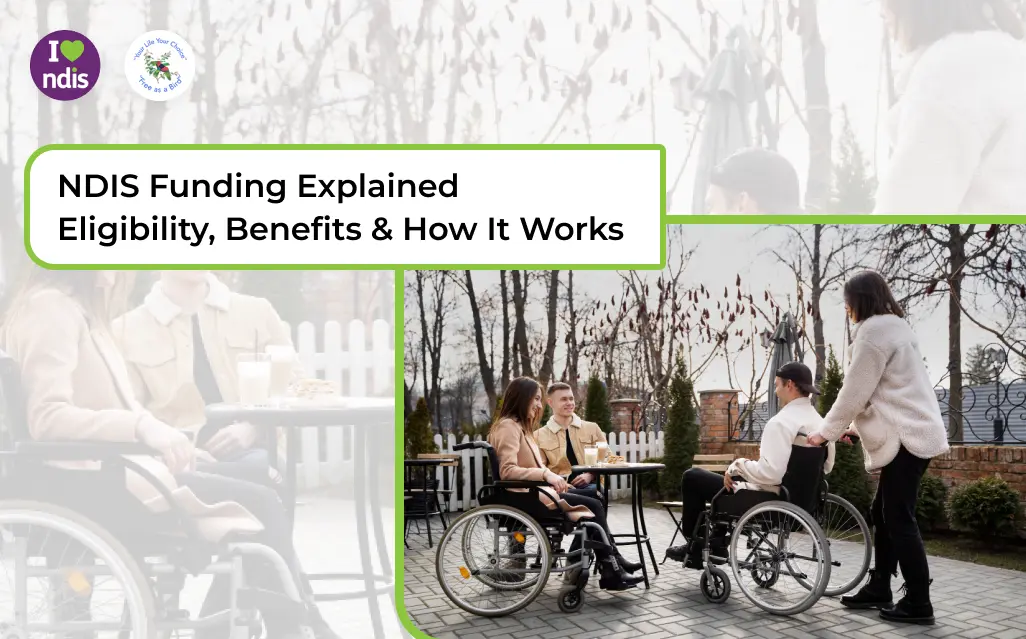
How NDIS Funding Works and Who Is Eligible
Understanding NDIS Funding and Its Purpose
Understanding disability support systems is important for individuals and families. Many people feel confused when they first explore funding options. This confusion often leads to delays in accessing the right support. A clear understanding helps participants make better decisions and use their plan effectively.
NDIS Funding is designed to support individuals with disabilities in achieving greater independence. It provides financial assistance for services that improve daily living, health, and community participation. The funding is not fixed for everyone. Instead, it is tailored to each participant based on their needs and goals.
This personalised approach ensures that participants receive the right level of support. It also allows flexibility in choosing services. Participants can decide how they want to use their funding within approved categories. This gives them more control over their lives.
Another important aspect is long-term improvement. The goal is not just to provide immediate support but also to help participants build skills. This helps them become more independent over time.
Key overview:
- Personalised financial support based on needs
- Focus on independence and daily living
- Flexible usage within approved categories
- Supports long-term improvement and growth
How NDIS Funding Is Structured
The funding system is divided into different categories. This structure helps participants manage their budgets effectively. Each category is designed to cover specific types of support.
The first category is core supports. These include daily activities such as personal care, transport, and assistance with routine tasks. The second category is capacity building. This focuses on improving skills and independence. It includes therapy, training, and development programs.
The third category is capital supports. These include assistive technology and housing-related expenses. This category is designed for long-term investments that improve quality of life.
This structured approach ensures proper allocation of funds. It also makes it easier to track spending and avoid misuse. Participants can understand where their money is going and how it is being used.
Funding categories:
- Core supports for daily activities
- Capacity building for skill development
- Capital supports for equipment and housing
- Clear structure for better financial management
Benefits of NDIS Funding for Participants
Access to funding provides significant benefits for participants. It improves both physical and emotional well-being. It also reduces the financial burden on families.
Participants gain access to essential services that support daily living. They can choose services that match their personal goals. This improves satisfaction and outcomes.
Funding also promotes independence. Participants can manage their daily activities more easily. Over time, this leads to increased confidence and self-reliance.
Another benefit is improved social participation. Participants can engage in community activities and build connections. This improves overall quality of life.
Key benefits:
- Improved independence and confidence
- Access to essential services
- Reduced financial stress
- Better social participation
Flexibility in NDIS Funding Usage
Flexibility is one of the strongest advantages of this support system. Participants are not restricted to a fixed set of services. They can choose what works best for them.
This flexibility allows participants to adjust their plans as their needs change. They can add or remove services based on their goals. This ensures that the support remains relevant over time.
It also gives participants control over their decisions. They can select providers and services that match their preferences. This improves satisfaction and overall experience.
Flexibility benefits:
- Choice of service providers
- Ability to adjust plans
- Personalised support options
Access to Services through NDIS Funding
Funding opens access to a wide range of services. These services support health, mobility, and daily living. Participants can receive therapy, personal care, and community support.
They can also access NDIS Therapeutic Supports, which help improve physical and mental well-being. These supports are essential for long-term development and recovery.
Access to the right services improves overall outcomes. Participants can achieve their goals more effectively. This leads to better quality of life.
Service benefits:
- Access to therapy and care
- Improved health outcomes
- Better daily functioning
Financial Control with NDIS Funding
Managing finances is easier with structured funding. Participants receive clear budgets and guidelines. This helps them track their spending effectively.
Financial control ensures that funds are used correctly. It reduces the risk of overspending or misuse. Participants can plan their expenses and stay within their limits.
This transparency builds trust and confidence. It also helps participants make informed decisions about their support.
Financial benefits:
- Clear budget tracking
- Controlled spending
- Transparent fund usage
Long-Term Planning using NDIS Funding
Planning for the future is important for sustainable growth. Funding supports long-term development and independence. Participants can set goals and work towards achieving them.
This approach encourages continuous improvement. Participants can build skills and reduce dependency over time. It also helps in creating a stable and secure future.
Long-term planning ensures that support is used effectively. It helps participants achieve meaningful outcomes.
Planning benefits:
- Goal-oriented support
- Continuous improvement
- Increased independence
Who Is Eligible for NDIS Support
Eligibility is based on specific criteria. Understanding these criteria is important before applying. It helps participants determine if they qualify for support.
The program is designed for individuals with permanent and significant disabilities. These disabilities must impact daily activities and require ongoing support.
Age is another factor. Applicants must be under 65 years of age. Residency requirements also apply, and participants must be Australian citizens or permanent residents.
The assessment process ensures that support is provided to those who need it most. It also helps determine the level of funding required.
Eligibility criteria:
- Permanent and significant disability
- Age under 65 years
- Australian residency
- Need for ongoing support
Role of Service Providers in Delivering Support
Service providers are responsible for delivering the actual support included in a participant’s plan. They play a key role in ensuring quality and consistency.
A Registered NDIS Provider in Perth follows strict guidelines and standards. This ensures that participants receive safe and reliable services. Providers are trained to deliver specialised care.
They also help participants achieve their goals. By working closely with participants, providers can deliver personalised support. This improves outcomes and satisfaction.
Providers may also assist with plan management. They help participants understand their funding and use it effectively.
Provider roles:
- Deliver professional support services
- Ensure safety and compliance
- Assist in achieving goals
- Provide guidance and expertise
Comparison Table: Funded vs Self-Funded Support
Understanding the difference between funded and self-funded support helps participants make informed decisions. It highlights the advantages of structured funding.
| Feature | NDIS Funded Support | Self-Funded Support |
|---|---|---|
| Cost | Covered by funding | Paid by individual |
| Accessibility | High | Limited |
| Support Level | Structured | Depends on budget |
| Flexibility | Moderate | High |
| Sustainability | Long-term | Short-term |
How to Apply for NDIS Funding
Applying for support involves a structured process. Each step ensures that participants receive appropriate assistance.
The first step is submitting an application. This includes providing personal and medical information. Supporting documents are required to validate the application.
An assessment is then conducted to determine eligibility. This process evaluates the level of support needed. Once approved, a plan is created based on individual goals.
The final step is implementation. Participants can start using their funding to access services. Regular reviews ensure that the plan remains effective.
Application steps:
- Submit application form
- Provide required documents
- Complete assessment process
- Receive and implement plan
Why Choose Admire Care
Choosing the right provider improves the overall experience. Professional support ensures better results and long-term success.
Admire Care offers personalised services tailored to individual needs. Their team focuses on delivering high-quality care and support. They understand participant requirements and provide customised solutions.
Their approach is participant-focused. They ensure that services are aligned with goals and preferences. This improves satisfaction and outcomes.
They also provide guidance in managing plans. This helps participants use their funding effectively and avoid common mistakes.
Why choose them:
- Experienced and skilled team
- Personalised support plans
- Reliable and consistent services
- Focus on better outcomes
Common Challenges in Accessing Funding
Accessing support can be challenging for many participants. Understanding these challenges helps in better preparation and planning.
The application process can be complex and time-consuming. It requires proper documentation and accurate information. Delays may occur if details are missing.
Another challenge is understanding how to use funding effectively. Participants may struggle with budgeting and service selection. This can lead to underutilisation of funds.
Some participants also face difficulty in finding the right providers. This requires research and guidance.
Common challenges:
- Complex application process
- Documentation issues
- Delays in approval
- Difficulty in managing funds
Expert Tips for Better Fund Utilisation
Using funding effectively requires awareness and planning. Participants should understand their plans clearly. This helps them make better decisions.
Setting clear goals is important. It ensures that funding is used for meaningful outcomes. Regular monitoring helps track progress and spending.
Seeking professional guidance can improve results. Experts can help participants choose the right services and providers.
Expert tips:
- Understand your plan in detail
- Set clear and realistic goals
- Track spending regularly
- Seek expert guidance
Long-Term Benefits of NDIS Funding
Effective use of funding leads to long-term independence and improved quality of life.
Impact of Funding on Daily Living
Funding has a direct impact on daily life. It helps participants perform routine tasks more easily. This improves independence and confidence.
Participants can access services that support mobility, health, and personal care. This leads to better physical and emotional well-being.
Improved support also enhances social participation. Participants can engage in community activities and build relationships.
Overall, funding creates a more balanced and fulfilling lifestyle.
Key impact:
- Easier daily activities
- Improved health and well-being
- Increased independence
- Better social participation
Frequently Asked Questions
Q1. What does NDIS funding cover?
It covers services like therapy, care, and accommodation support.
Q2. Who can apply for NDIS?
Individuals with permanent disabilities can apply.
Q3. Is funding flexible?
Yes, it can be used based on individual needs.
Q4. How long does approval take?
It depends on the assessment process.
Conclusion
Understanding how funding works helps participants make informed decisions. NDIS Funding provides essential support that improves independence and quality of life.
With the right provider like Admire Care, participants can maximise their benefits and achieve long-term success.
For more details about our service offerings, call +61 483 282 061 or write to info@admirecare.net.au